.

.
HOME OF THE LADY DENMAN - Local history isn't always about the big story - the everyday story of life in the early development of the region can be a fascinating, entertaining and educational journey.
Showing posts sorted by relevance for query samuel elyard. Sort by date Show all posts

16 December 2013

Samuel Elyard

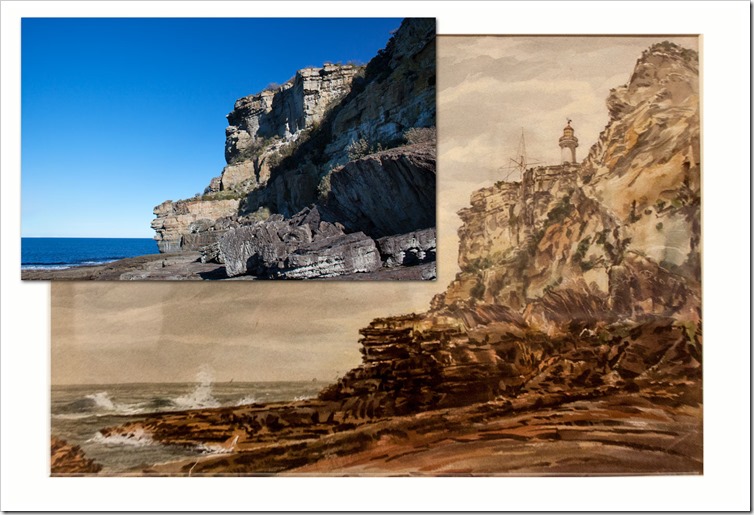
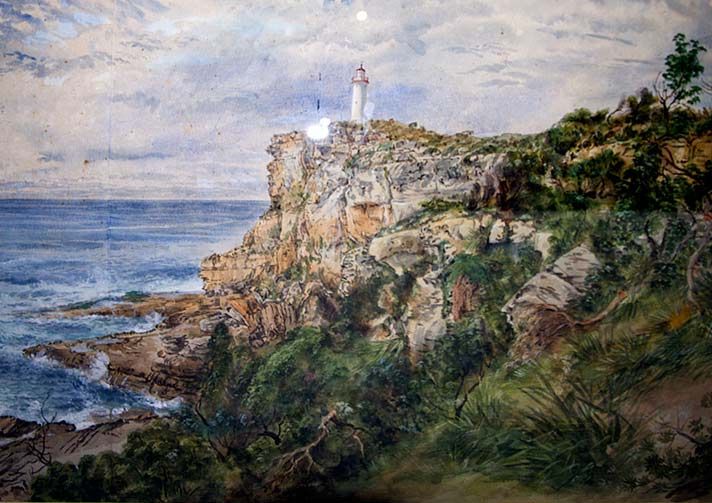
1877 and an Australian artist by the name of Samuel Elyard painted the Cape St George lighthouse.
The museum has a collection of these wonderful paintings on display.
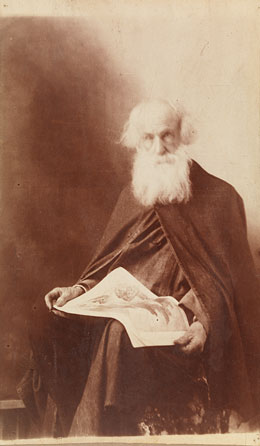
Samuel Elyard was born on the Isle of Wight England in 1817, he specialised in water colours and oil painting as well as photography, recording many scenes throughout the Shoalhaven region in all mediums.
His collection of images and paintings are a valuable insight into the history of the Shoalhaven.
He died in Nowra on the 23rd October 1910 aged 93.
His life is a fascinating story and defiantly worth a read.
Read More  12
samuel-Elyard-painting samuel-Elyard-painting-same-position-photograph
Above is one of the painting on display at the museum showing the lighthouse looking back from a northern aspect and also a photograph of the lighthouse as it’s seen today from the same position.
Painted in 1877 -  Photographed 2011 Rob Slater


The artist and photographer Samuel Elyard

2 February 2019

Samuel Elyard.


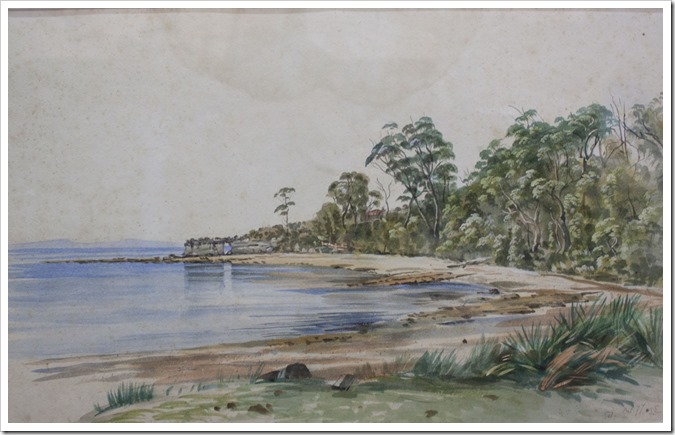
Susan Capel, art dealer and restorer from Sydney, sent us two images by Samuel Elyard depicting scenes of the Shoalhaven. One is a beautiful image of the Cape St George Lighthouse located in the Booderie National Park on the south side of Jervis Bay. The lighthouse was a favourite subject for Elyard, he made the long rough journey by horseback and buggy to the lighthouse on many occasions. The museum has several in its collection. The other is an unidentified homestead in the Shoalhaven.


"Cape St. George Lighthouse, Jervis Bay, N.S.W." (c.1890)

watercolour & bodycolour

37.5 x 50.5cm

unsigned


"Country Homestead, Shoalhaven, N.S.W." (1883)

watercolour & bodycolour

39 x 39cm

signed lower right


Continue reading about Samuel Elyard, a prolific painter and photographer who lived in the Shoalhaven in the 19th century. You will also find some interesting comparison photograph I have done of his original paintings compared to the actual scene today...
http://jervisbaymaritimemuseum.blogspot.com/search?q=samuel+elyard

Both of these images are for sale from Belle Epoque Fine Art and Antiques.
https://www.belleepoqueantiques.com/samuel-elyard
https://www.belleepoqueantiques.com/


image


15 July 2014

Samuel Elyard painting of Falls Creek.

Currently on exhibition in the Vera Hatton gallery is a collection of paintings done by Samuel Elyard around 1840
Many painting depict familiar scenes in the Shoalhaven one in particular, an oil painting captures Falls Creek waterfall. Today I paid a visit and took a photograph of the waterfall at falls creek.
Here we see the original image as painted by Samuel Elyard and today’s photo.

falls-creek-waterfall
falls-creek-waterfall-pic

1 July 2016

Samuel Elyard Painting.

A beautiful watercolour of the Cape St George Lighthouse by Samuel Elyard in 1871.
We are very lucky the artist Samuel Elyard was drawn to the beauty of the lighthouse and the surrounding coast line.  He visited the lighthouse a number of times, painting and photographing the scenery, providing us with beautiful images that faithfully depict the area from his time.    Continue Reading to discover some of his other images that have been matched with photographs taken from the same vantage points today.

1871-cape-st-george
Continue reading.
 

BACK


25 July 2018

Samuel Elyard

An Australian artist who painted and later photographed Cape St George Lighthouse near Jervis Bay. Some of his works are on display at the museum at this time.
You can see from the picture below he faithfully painted what he saw.  I took the photograph a few days ago, Elyard's painting dates back to the late 1870's.

4


Click here to read about and see more photographic comparisons of Samuel Elyard's artwork.


image

16 July 2014

Samuel Elyard painting of Cape St George Lighthouse.

se Samuel Elyard made a few trips out to the lighthouse in the 1840’s.
His described his trips in journals. The trip could sometimes take two days using horse drawn carriage and walking, the track wasn’t clearly marked so getting lost was a common event.
In one of his journal entries he mentions getting lost twice, getting bogged in a swamp, and spending a miserable night in a tent with native dogs howling all around, and having to leave provisions behind to lessen the load.
One you reached the lighthouse there was no accommodation for visitors, you would have to spend your nights on rough ground in tents, he describes having to refasten the tent to prevent it blowing away during the night because there was no shelter from the elements on the exposed and isolated headland.
Later on, a decent house was built for the head keeper and his family and they would sometimes let people stay in a front room.
Samuel loved the region and promoted the area to artists far and wide.
This painting from the 1840’s depicts the lighthouse as it once stood from a southern aspect.
I recently took this image from a similar position. Of course the once grand tower is gone and the cleared headland has reverted back to bush but nothing else has changed that much in 174 years.
His depiction could almost have been traced from my photograph it’s so accurate.

light-from-north-aspect2
light-from-north-aspect

14 December 2016

Longevity–The “good old days”

 
image
Image result for samuel elyardSamuel Elyard well known painter and photographer of the Shoalhaven.  Continue reading.

imageGeorge Dent shipbuilder and local Jervis Bay identity.
Continue reading about the Dent Family.


image

17 July 2014

Recycled interpretation of the Samuel Elyard.


stitched-image-of-lighthouse
The current exhibition features interpreative works of some of Samuel Elyard made from recycled materials.

21 September 2017

Hole in the wall - through the ages.

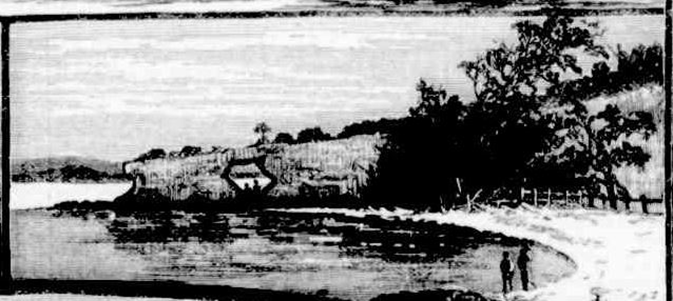
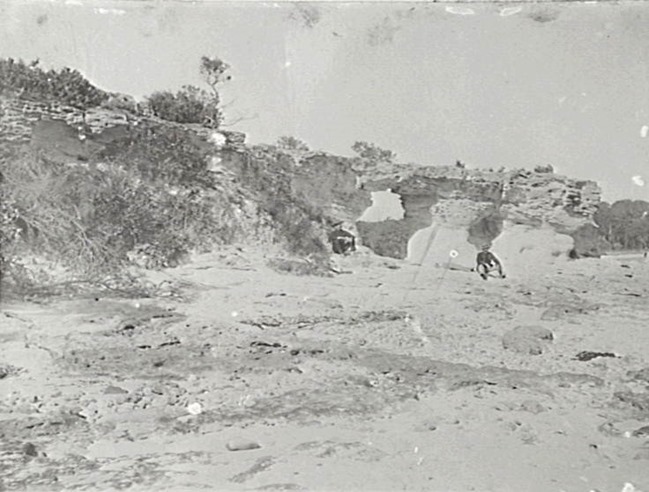
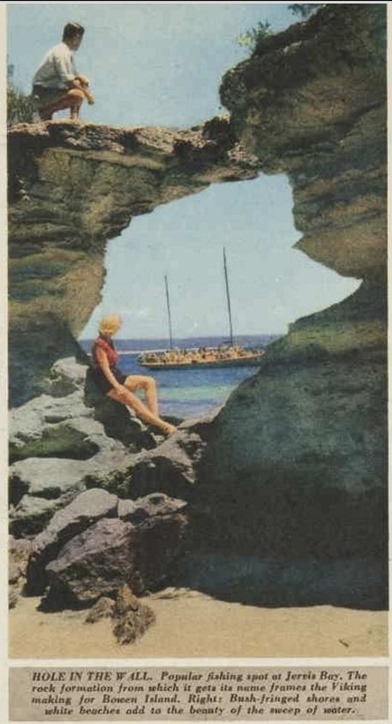
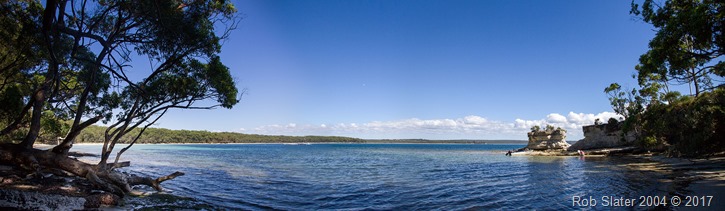
  "Hole in the Wall" is located at the end of the beach near Scottish Rocks. This natural sandstone structure inspired artists and photographers from the time it was first discovered.  The area was first described by early sea explorers as a safe, protected place for anchorage.  Early writings speak of the locations clear water, flat sand bottom and sweeping high headland creating a natural barrier against strong easterly or southerly gales.  Hole in the Wall has been depicted in historical paintings from the very earliest days of exploration.  Unfortunately, the top of the sandstone structure collapsed in the 1980's leaving a U shaped gap.  Some of the romance of the area has been lost but not the beauty or its importance to mariners.


airial

9002_Jervis_Bay_de_Sainson_Louis_Auguste

Painted by Louis Auguste de Sainson in 1826.
Described as - The Astrolabe, moored in nine fathoms, fine sand and shells, three cables
from the beach at Hole-in-the-Wall.

samuel-elyard


Samuel Elyard painting – 1840's

image
As depicted in an article in 1883.

188-Hole-in-the-Wall
Early 20th Century

hole in the wall2

Early 20th Century   

hole in the wall

Early 20th Century

hole in the wall 1953
Australian Womans Weekly 1953

Visiting the area today you will still see vessels of all description sheltering near Hole in the Wall.

2017

The Ketch Atoll II near Hole in the Wall 2017.

young-endeavour-march-31-2017-at-hole-in-the-wall
Like a scene from the 1900's, the Young Endeavour takes advantage of the protection offered by the surrounding terrain adjacent to Hole in the Wall in 2017.

_MG_6249
2014


image

10 July 2014

What we do for fun

what-we-dod-for-fun-heading


New exhibition opens
 Sunday the 13th July
A very interesting exhibition with some amazing pieces of artwork by local crafts people.
The exhibitions focus is on interpreting well known works of art of Samuel Elyard and Lloyd Rees
by using recycled products.
This exhibition involves Sculpture, Art installations, Embroidery, Quilting ,Tapestry.
Come along and see original artworks painted by Samuel Elyard featuring the south coast, and see the modern craftsperson's interpretation using recycled material.

A few examples from the exhibition.

wall-hangings landscape chair
sculpture' painting

craft exhibition theme panel

22 December 2014

Cape St George Lighthouse 1873.

Despite its isolation, and what appears to be a confusing journey on unmarked tracks, numerous newspaper correspondents of the time suffered the difficulties and made their way to Cape St George.
Before cameras, correspondents would be accompanied by artists, whose task it was to sketch the scenes they arrived at. Newspapers from the 1800’s give us beautiful hand-drawn images of many places along the south coast. The lighthouse appears to be a popular destination for the above, appearing in many issues of country and city papers.

Short paragraphs read in isolation, can reveal an insight into life around Jervis Bay.

The image and article below is from the Illustrated Sydney News, 1873.

image


image 

This building is situated about thirty miles from the town of Nowra, in New South Wales, on the south side of Jervis Bay, and is the direct rout of vessels proceeding from Sydney to Melbourne. The light shown is a bright revolving white and green.
The road winds along the edges of swamps and over rocky hills, and at the time our illustration was made not marked out, and our artist and his companions were, in consequence, obliged to put up their tent and pass the night in the bush, having been unable to find the way before it became dark.
As it was a moonlight night, two of the party searched around the camp, and followed a path which they discovered. Coming back with their cloths and boots wet and muddy from the small streams of water they had crossed, they made a fire and cooked their supper.

A bed of rushes served to sleep upon, and the wild howling of the native dogs did not long keep them awake.
Next morning, at sunrise they breakfasted and started for the lighthouse, but the horse stopped at the first high sand hill and part of the luggage had to be left on the road. With some difficulty the spring cart was drawn to the coast, and the superintendant kindly sent his own horse for the articles left behind.

The tent was pitched near the stable of the establishment, and during the next fortnight a series of drawings were made of the wild and beautiful coastal scenery, including the lighthouse.
Although the headland is a great height from the sea, in a storm the foam dashes right over it; and once, when a strong wind came on, the party had to raise from their beds in the midst of a pouring rain and secure the fastenings to prevent it’s being blown over the cliff.

Passing storm taken from the exposed Cape St George headland.image-0116
Following he gives us and insight into the hardships and inadequate facilities the lighthouse keepers endured in their daily tasks.

The want of a verandah to the superintendant’s quarters is much felt in wet weather, as there is no shelter either from the rain or foam when he has to be on the lookout for vessels. Neither is there a spare room for ship-wrecked persons or strangers, as there should be as such and isolated station.

It’s hard to imagine a time when children might have been in such isolation, facilities must have been very primitive with regard to their education.

At a mile distant a schoolhouse has been erected for the children of the fishermen, who live a few miles off, and of the officials stationed at the lighthouse.

The entrance to Jervis Bay is two miles wide, and inside there is a harbor from three to four leagues in length and two in width. It is considered a safe port of ships of all sizes and is 80 miles from Sydney. The harbor is large and commodious, easy of access, and will affords shelter from all winds, having room for 200 sail of ships, with plenty of water and wood.

The bay was discovered by Lieutenant Boen, in August, 1791.

Hoping to visit the picturesque village a future time, the party left the coast when they had completed  their sketch, and with the aid of a lent horse reached Nowra, much pleased with the kind attention from the superintendant while visiting the lighthouse.

Elyard, Samuel, 1817-1910. Cape St. George Lighthouse, South of Jervis Bay, New South Wales, ca. 1864 [picture]


  • Elyard, Samuel, 1817-1910.
  • Cape St. George Lighthouse, South of Jervis Bay, New South Wales, ca. 1864 [picture]
  • ca. 1864. 1 watercolour ; 36.2 x 56.2 cm.
    http://nla.gov.au/nla.pic-an2686423


    Meaning
    League - On land, the league was most commonly defined as three miles, though the length of a mile could vary from place to place and depending on the era. At sea, a league was three nautical miles (about 5.6 km).


    image


  • 16 December 2013

    Rollover image of Cape St George Lighthouse

     134 year old comparison.


    Move your mouse back and fourth over the image to see a comparison between the painting Samuel Elyard did in 1877 and the photograph I took from the same location in 2011.


    image